
What is Yoga Nidra?
Yoga Nidra, often referred to as “yogic sleep,” is a guided meditative practice that induces deep physical, mental, and emotional relaxation. Despite its name, Yoga Nidra is not actual sleep—it is a conscious state between wakefulness and sleep, achieved through structured meditation.
Key Elements of Yoga Nidra
- Guided Meditation: Yoga Nidra is typically conducted through verbal instructions and often incorporates body scans, breath awareness, and visualizations.
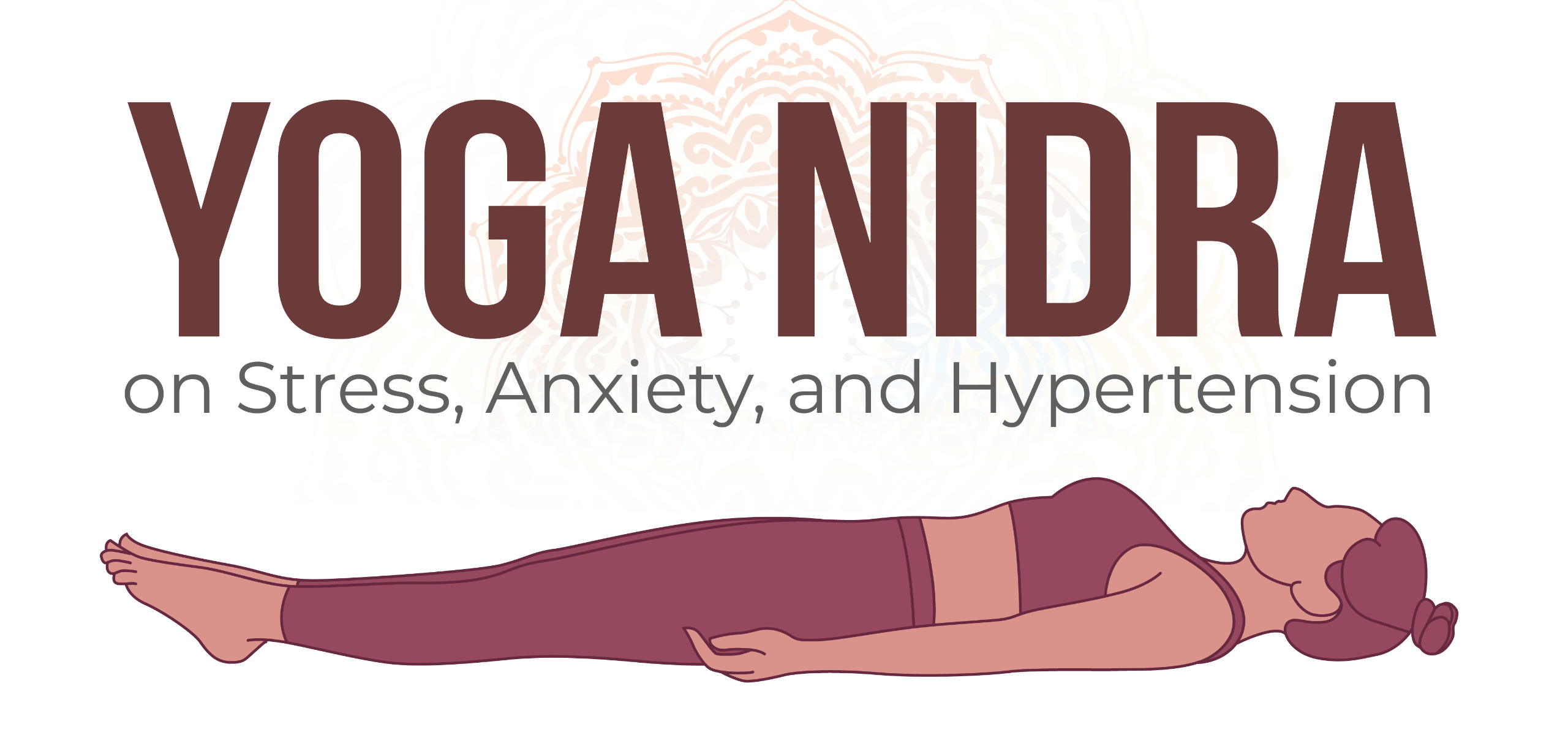
- Altered State of Consciousness: The practice guides the individual into a hypnagogic state—between full consciousness and sleep—enhancing relaxation while maintaining awareness. It is commonly performed in the lying-down position known as Savasana to encourage complete stillness.
How Yoga Nidra Works
- Mind-Body Connection: Yoga Nidra strengthens the connection between mind and body, fostering a sense of calm and inner peace.
- Impact on Brain Activity: Research has shown that the practice influences brain regions related to emotional regulation, spontaneous thought (mind-wandering), and sleep.
- Muscle Relaxation: Through systematic tensing and relaxing of muscle groups, the body is led into a deeper state of rest.
Impact of Yoga Nidra
- Impact on Stress:
- Reduction in Cortisol Levels: Yoga Nidra helps lower the production of cortisol, the hormone primarily responsible for stress.
- Induces Deep Relaxation: By entering a deeply relaxed state, it calms the nervous system and decreases sympathetic nervous system activity.
- Improves Stress Coping Abilities: Regular practice enhances emotional balance and resilience to daily stressors.
- Impact on Anxiety
- Activates the Parasympathetic Nervous System: This leads to slower heart rate and breathing, promoting a more relaxed state.
- Alleviates Anxiety Symptoms: Particularly effective for individuals with Generalized Anxiety Disorder (GAD) and test-related anxiety.
- Increases Alpha Brain Wave Activity: Alpha waves are associated with calmness, mental clarity, and reduced anxiety.
- Impact on Hypertension:
- Lowers Blood Pressure: The deep relaxation achieved during Yoga Nidra can reduce both systolic and diastolic blood pressure by reducing sympathetic nervous system activity.
- Improves Heart Rate Variability (HRV): Better HRV is a sign of improved autonomic nervous system function and cardiovascular health.
Conclusion
Yoga Nidra is a safe and effective complementary approach for managing:
- Stress
- Anxiety
- Mild to Moderate Hypertension
When practiced regularly, it contributes to overall well-being and supports mental and physical health. However, it should be used as a supplementary method alongside conventional medical treatments, not as a replacement.