
Introduction
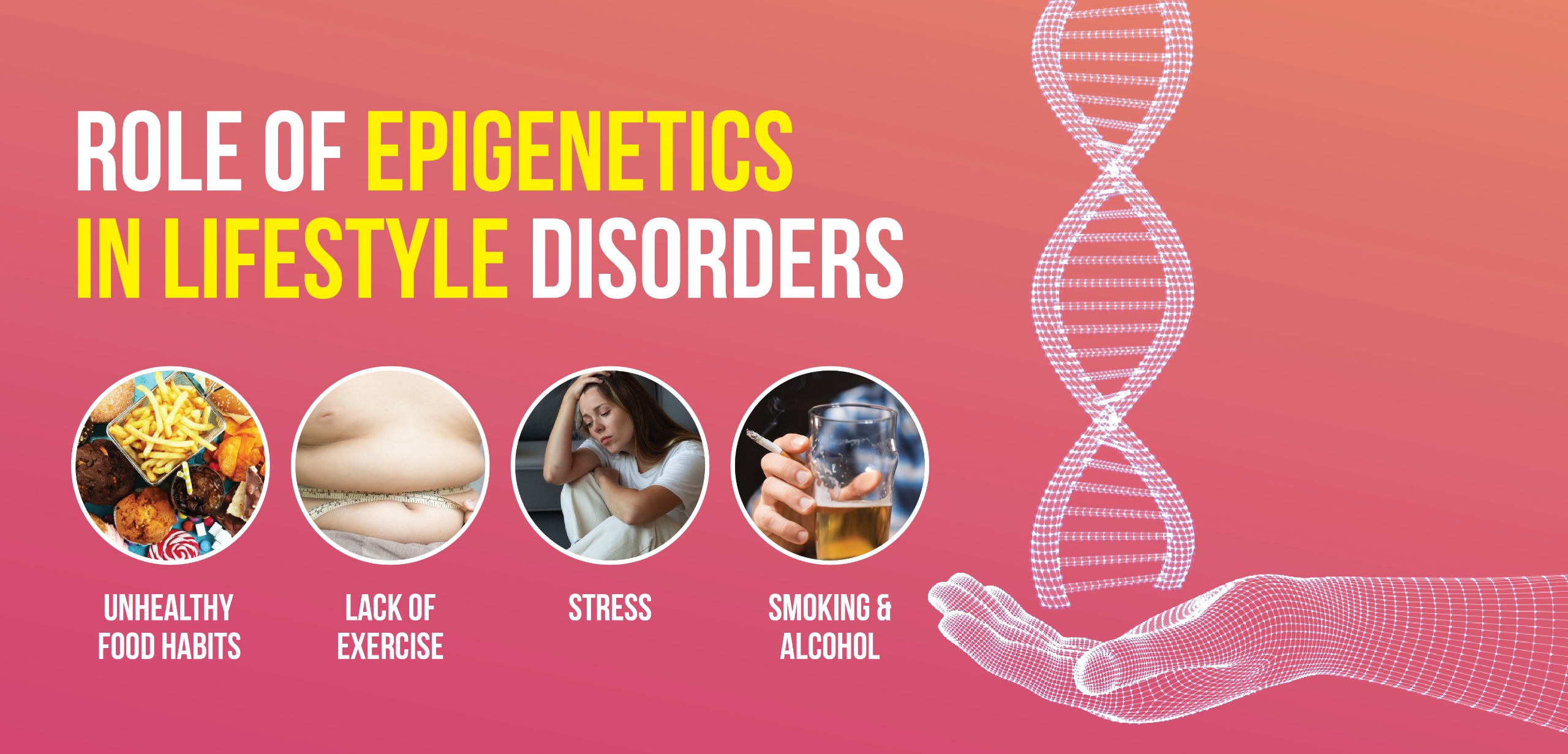
Epigenetics is the study of how lifestyle and environment can affect the way our genes work. It does not change the genes themselves, but it can switch certain genes “on” or “off.”
Things like food, exercise, stress, sleep, smoking, and pollution can all affect gene activity. These changes may increase or decrease the risk of lifestyle diseases such as obesity, diabetes, high blood pressure, heart disease, and cancer.
What is Epigenetics?
Genes are like instructions inside our body. Epigenetics acts like a control switch that tells the body which instructions to use and which to ignore.
For example:
- Healthy habits can turn on protective genes.
- Unhealthy habits can activate disease-related genes.
How Lifestyle Affects Genes
1. Unhealthy Food Habits
Eating too much junk food, sugar, oily food, and processed food can affect genes related to:
- Fat storage
- Blood sugar control
- Inflammation
This may increase the risk of obesity and diabetes.
Healthy foods like fruits, vegetables, nuts, and whole grains help support healthy gene function.
2. Lack of Exercise
Physical inactivity can slow down metabolism and affect genes linked to energy use and fat burning.
Regular exercise helps:
- Control weight
- Improve blood sugar levels
- Keep the heart healthy
It can also positively influence gene activity.
3. Stress
Long-term stress affects hormones and genes related to mood, sleep, immunity, and blood pressure.
Chronic stress may contribute to:
- Anxiety and depression
- Hypertension
- Heart disease
- Poor sleep
Yoga, meditation, and deep breathing may help reduce these harmful effects.
4. Smoking and Alcohol
Smoking and excessive alcohol can damage the body and affect normal gene function.
This may increase the risk of:
- Cancer
- Liver disease
- Heart problems
5. Poor Sleep
Lack of sleep can disturb genes that control:
- Hunger
- Hormones
- Metabolism
Poor sleep is linked with obesity, diabetes, and stress-related disorders.
Can These Changes Be Improved?
Yes. Many harmful epigenetic changes can improve through healthy habits such as:
- Eating a balanced diet
- Exercising regularly
- Managing stress
- Sleeping well
- Avoiding smoking and alcohol
Conclusion
Epigenetics shows that our daily habits can affect how our genes work. Healthy lifestyle choices can help protect the body from many lifestyle disorders, while unhealthy habits may increase disease risk. Therefore, maintaining a healthy lifestyle is important for long-term health and well-being.