
Introduction
Polycystic Ovarian Disease (PCOD) is a common hormonal disorder affecting many women, often addressed through holistic therapies like naturopathy. One such therapy, the hip bath, a form of therapeutic water treatment, offers significant benefits. It helps improve circulation, regulate hormones, and alleviate symptoms like menstrual irregularities and pelvic pain, making it an effective aid in managing PCOD.
What is a Hip Bath and How Does It Help with PCOD?
Also referred to as a sitz bath, a hip bath is a naturopathic treatment beneficial in managing PCOD symptoms. Here’s how it works:
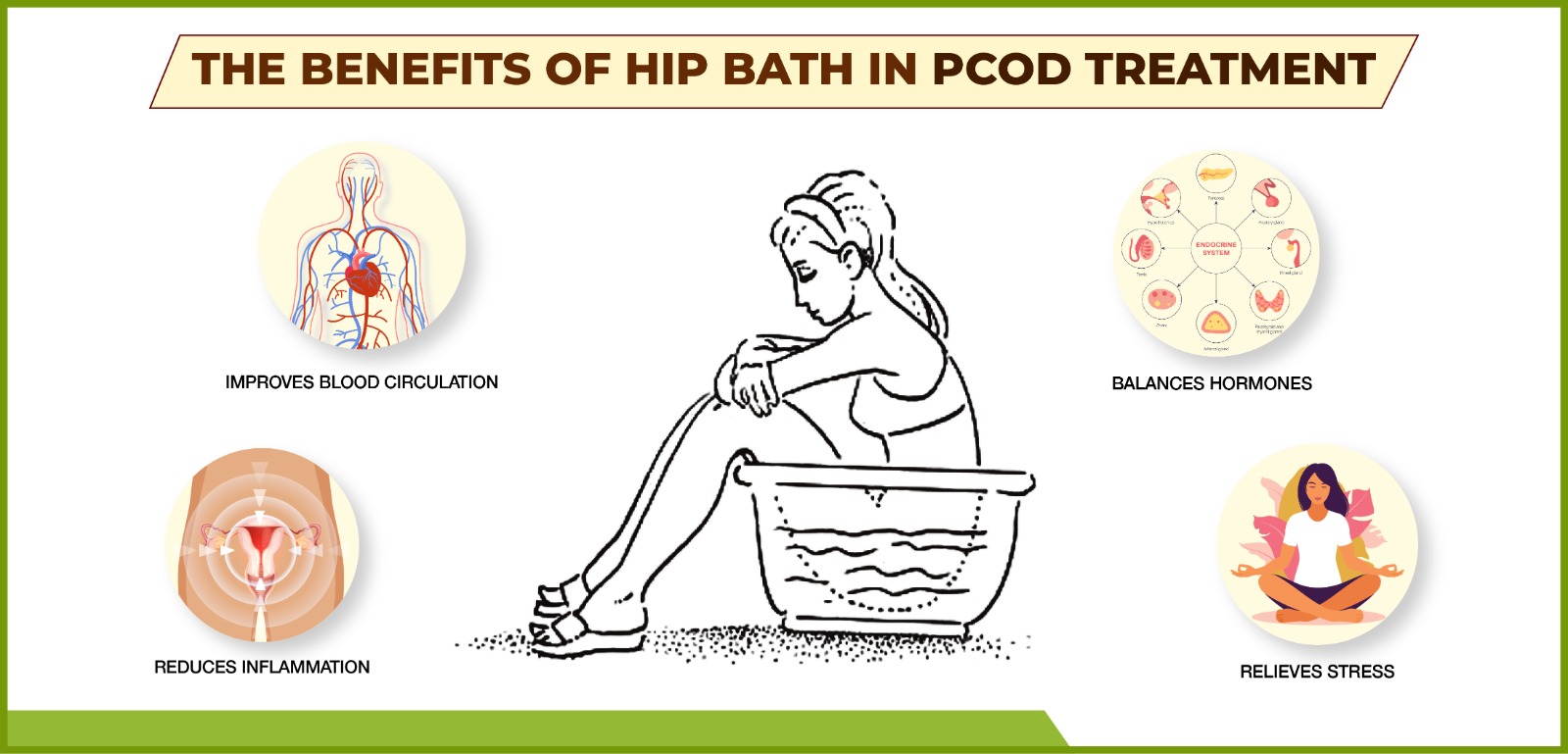
- Improves Blood Circulation:
A hip bath promotes better blood flow to the pelvic area, which reduces congestion and supports the proper functioning of the ovaries and other reproductive organs.
- Reduces Inflammation:
The soothing warm water can help reduce pelvic inflammation, providing relief from discomfort and pain associated with PCOD.
- Balances Hormones:
Regular use of hip baths may stimulate the endocrine glands, aiding in the balancing of hormones. This balance is crucial for managing the symptoms of PCOD.
- Detoxification:
A cold or neutral hip bath helps detoxify the pelvic region by promoting lymphatic drainage and removing toxins, which may assist in reducing cyst formation.
- Relieves Stress:
Since PCOD can be worsened by stress, a hip bath’s calming effect on the nervous system helps reduce stress levels and encourages relaxation.
How to Take a Hip Bath for PCOD Based on Temperature?
- Neutral Hip Bath:
Sit in a tub filled with water at room temperature (32°C–36°C) for 10-15 minutes to improve circulation and detoxify the pelvic region.
- Warm Hip Bath:
Soak in warm water (34°C–37°C) for 10-15 minutes to alleviate pain and reduce inflammation.
- Cold Hip Bath:
Sit in water at 14°C–24°C for 2-5 minutes to stimulate the pelvic organs and tone the reproductive system.
Step-by-Step Guide for Performing a Hip Bath:
Materials Needed:
- Hip bath tub
- Water (hot, cold, or lukewarm, as prescribed by a naturopathy physician)
- Optional: Epsom salt, neem, essential oils, or herbal decoctions
- Towel (for abdominal friction if required)
- Foot rest
Procedure:
- Preparation:
Choose a quiet, comfortable space for the treatment and fill the hip bath tub with water.
- For a cold bath: Use water at 14°C–24°C up to the navel.
- For a hot bath: Use warm water at 36°C–40°C.
- For a neutral bath: Use lukewarm water at 34°C–37°C.
Optional: Add any chosen salts or herbal ingredients.
- Positioning:
Sit in the tub so that your hips, pelvic region, and upper thighs are immersed in the water, while keeping the upper body dry.
- Duration:
- Cold bath: 5-15 minutes
- Hot bath: 10-15 minutes
- Neutral bath: 15-20 minutes
- Technique:
Gently move your hands or a sponge over the pelvic area in a clockwise motion to promote circulation, if advised by a naturopathic physician.
- Post-Treatment:
Dry yourself thoroughly with a clean towel. Rest for at least 15-20 minutes in a relaxed position.
- Precautions:
Avoid a cold bath during menstruation or if you have chronic pelvic pain.
- Do not exceed the recommended time for a hot bath to prevent fatigue or overheating.
- Maintain hygiene and change the water after each use.
Always consult a healthcare professional before starting this treatment, especially if you have any medical conditions.
Avoid the Hip Bath in the Following Conditions:
- During menstruation
- If you have injuries, wounds, or infections
- If suffering from osteoarthritis, lumbar spondylitis, sciatica, or lower back pain
- During pregnancy or post-surgery recovery
Frequency:
For noticeable results, practice this treatment 3-4 times a week.
By following these guidelines, a hip bath can become an effective and soothing part of your PCOD management routine.